
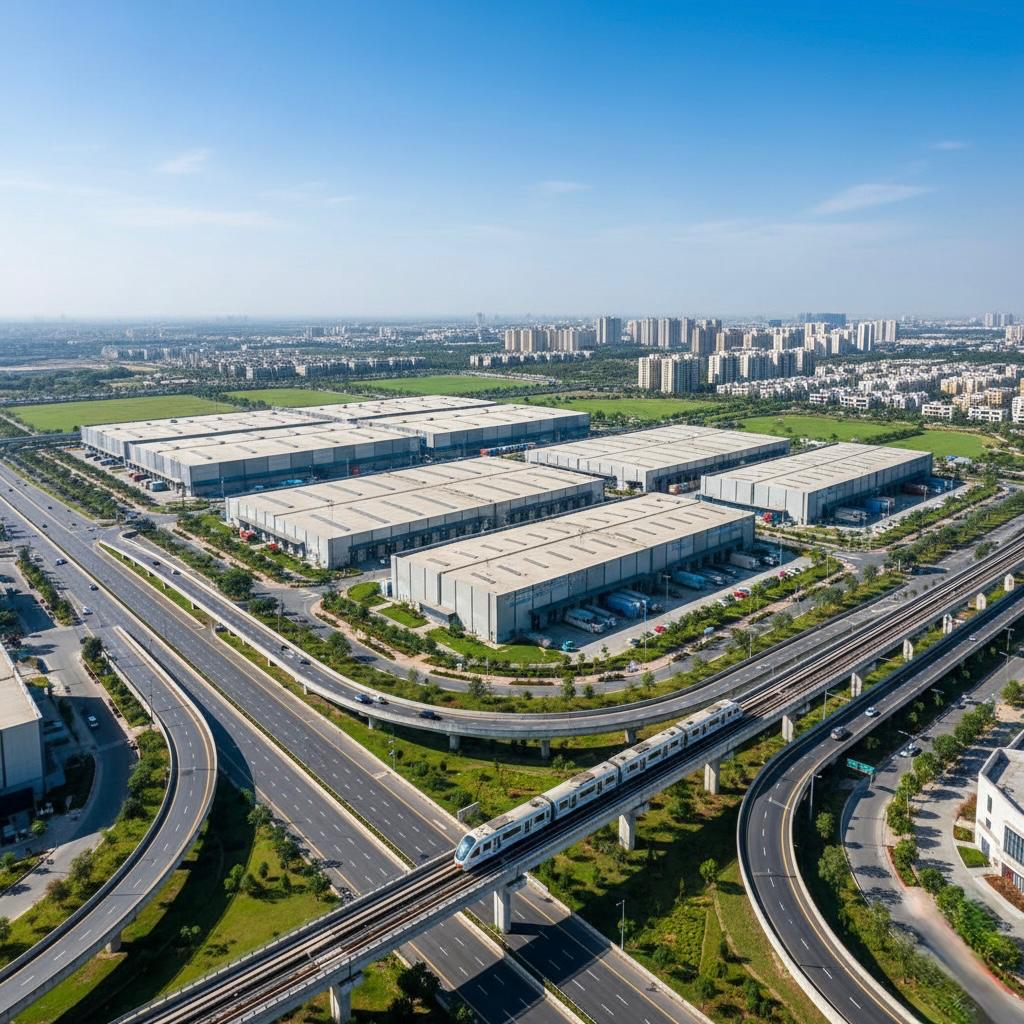
Greater Noida is no longer just a satellite city; it has evolved into a thriving urban hub. By 2026, it’s poised to become one of NCR’s most compelling growth zones backed by genuine infrastructure expansion, industrial momentum, and strategic planning.
If you’re evaluating opportunities in the National Capital Region, understanding the transformation of Greater Noida is essential. Here’s what’s driving the shift.
The Railway Connectivity Game-Changer
For years, Greater Noida’s primary challenge was connectivity. That’s changing rapidly.
The Delhi-Meerut RRTS corridor is already operational in phases, and extensions toward Greater Noida are under active planning. This will cut travel time to Delhi and Ghaziabad significantly.
The Noida Metro’s Aqua Line extension to Greater Noida has brought the city closer to central Noida and the upcoming Jewar Airport. Additionally, the Ministry of Railways has proposed rail connectivity enhancements that will link Greater Noida directly to Delhi and other NCR hubs, reducing dependency on road travel.
What does this mean practically?
Faster commutes. Better access to employment hubs. And most importantly, it reduced travel fatigue for daily commuters and industrial workers alike.
The Delhi Metro Rail Corporation (DMRC) continues to expand its network, with Greater Noida firmly on the roadmap. These aren’t distant plans—construction timelines are advancing, and impact will be visible well before 2026.
Industrial & Logistics Corridors: The Real Growth Engine
Greater Noida’s investment story isn’t just about residential demand. It’s about jobs, manufacturing, and logistics infrastructure.
The Yamuna Expressway Industrial Development Authority (YEIDA) has been instrumental in creating a robust industrial ecosystem. The region now hosts manufacturing units, export hubs, and large-scale warehousing facilities that serve both domestic and international markets.
YEIDA’s focus on plug-and-play industrial parks has attracted companies across sectors—automotive, electronics, textiles, and FMCG. This isn’t speculative growth. It’s an operational, revenue-generating activity.
Additionally, the Greater Noida Industrial Development Authority (GNIDA) continues to develop commercial and institutional zones, ensuring balanced urban planning. You can explore current projects and tenders on the GNIDA official website.
Why This Matters for Investors
Industrial growth creates employment demand. Employment demand drives residential rental markets. And planned infrastructure ensures long-term capital appreciation.
Greater Noida’s strategic location between Delhi, Noida, and the upcoming Noida International Airport at Jewar makes it a logistics sweet spot. Warehouses, distribution centers, and light manufacturing units are expanding here—not in distant industrial towns, but in a well-connected urban zone.
Affordable Land, Planned Development & Lower Density
Compared to Noida and Gurgaon, Greater Noida offers something increasingly rare in NCR: space.
Land prices remain relatively affordable, which has attracted both developers and end-users looking for larger homes, better amenities, and green zones.
Sectors like Sector 144 and Sector 150 exemplify this trend. These are planned residential hubs with wide roads, dedicated green belts, and lower population density—ideal for families seeking quality of life without the congestion of older NCR markets.
Developer Activity: A Sign of Market Confidence
Established developers have already staked their claim. Projects by Sobha, Eldeco, and other reputed NCR builders are either completed or under construction in Greater Noida. These aren’t promotional mentions—they’re market indicators.
When tier-1 developers invest capital and reputation, it signals infrastructure readiness and demand validation. Buyers benefit from better construction quality, timely delivery, and post-sale support.
Residential Demand & Rental Potential
The combination of industrial job creation and improved connectivity is driving genuine residential demand.
Young professionals working in Greater Noida’s industrial parks prefer living nearby. Families appreciate the spacious layouts and modern amenities. Investors see rental yields that outperform older, saturated micro-markets.
This isn’t speculative demand fueled by launches. It’s occupancy-driven demand backed by employment and livability.
Rental markets in sectors close to industrial zones and metro stations are already showing consistent performance. As connectivity improves further, rental premiums in well-located projects are expected to rise.
Investment Impact: Job Creation & Long-Term Value
Let’s be clear: Greater Noida’s story is about fundamentals, not hype.
The region is creating jobs—direct manufacturing jobs, logistics roles, and service sector opportunities. This drives residential absorption, rental stability, and eventually, capital appreciation.
Infrastructure growth in Greater Noida isn’t just about roads and metros. It’s about creating a self-sustaining urban economy where people live, work, and invest with confidence.
For investors, the opportunity lies in entering a market that’s still building out—before connectivity fully matures and land prices adjust upward.
For end-users, it’s about residential property in Greater Noida that offers space, planning, and proximity to employment—without the chaos of older NCR zones.
Final Thoughts: Why Greater Noida Deserves Attention in 2026
Greater Noida is evolving from a suburban extension into a strategic growth corridor. Railway connectivity is advancing. Industrial activity is real and expanding. Residential planning is thoughtful and execution-focused.
This isn’t a market driven by advertising budgets. It’s driven by government investment, institutional planning, and private sector confidence.
Greater Noida property investment makes sense today because the structural changes are underway—not promised for some distant future.
If you’re evaluating residential or investment opportunities in Greater Noida and want expert guidance on emerging growth corridors, speak with our advisors for a curated shortlist of verified options.